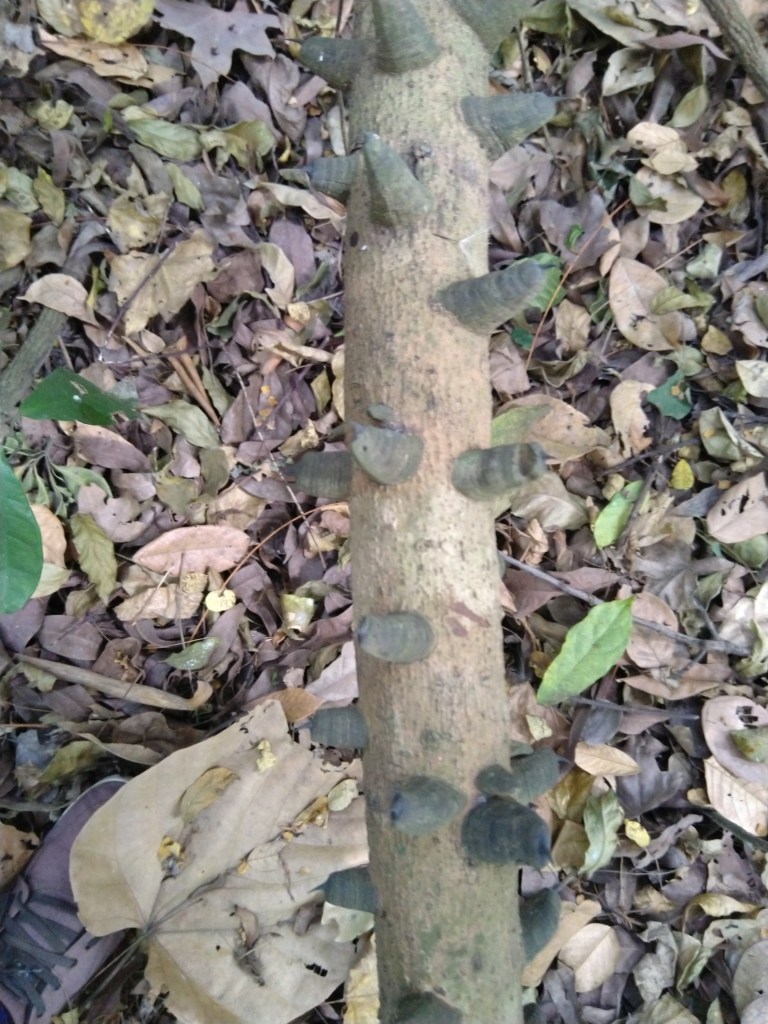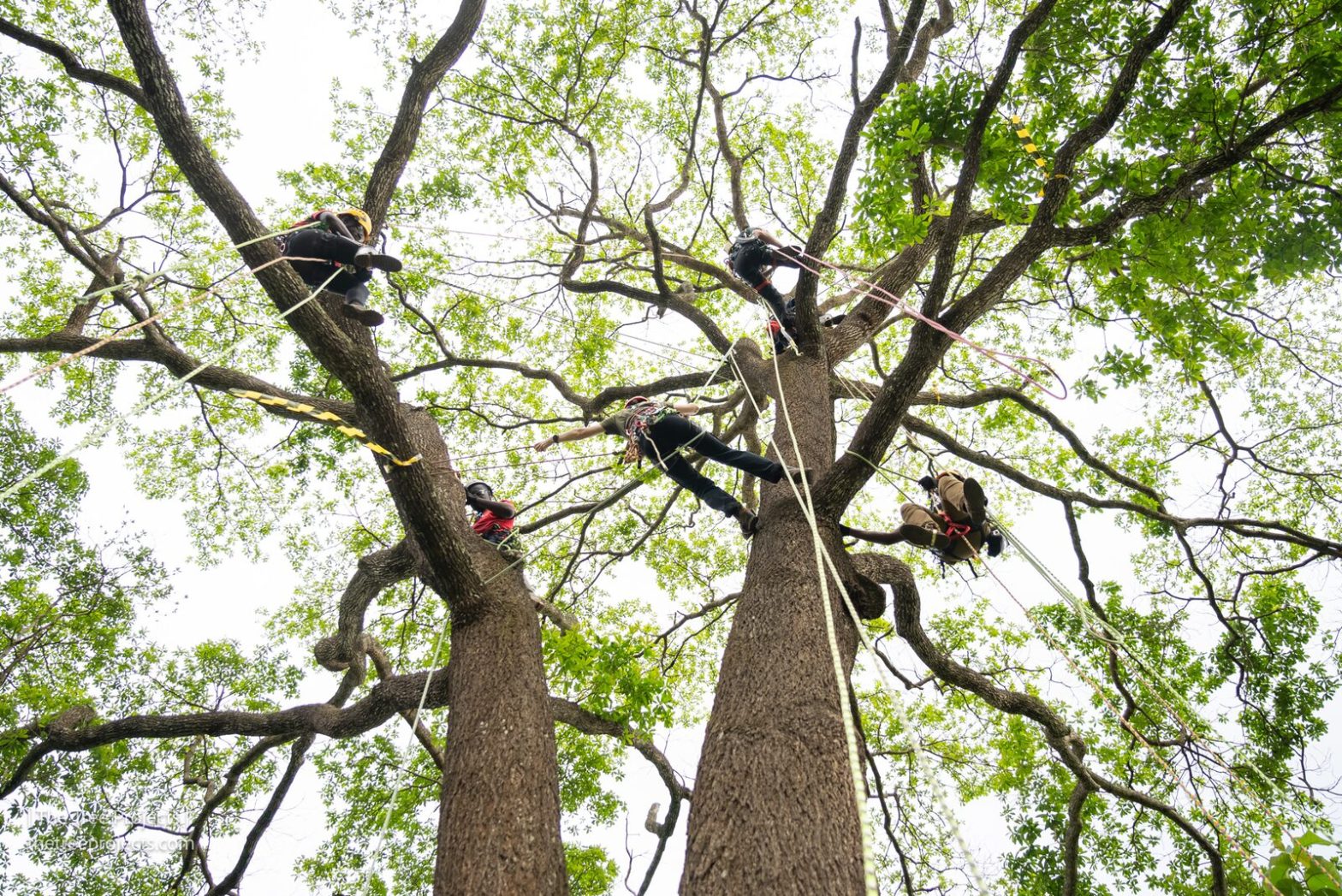
The forest canopy is where much of a tropical forest’s life happens – flowers, fruits, insects, primates, epiphytes, lianas reaching for the light. Yet for most African forests, almost everything we know comes from the ground. In May 2024 we set out to start changing that, by bringing professional tree climbers to Sunyani to train a first cohort of Ghanaian canopy researchers.
A “closed canopy” for African science
Rope access techniques have been revolutionising canopy research for close to fifty years. They are cheap compared to canopy cranes, leave a very light footprint on the forest, and can take you to almost any tree – which matters when you want samples that actually represent a forest. But in Africa, these skills remain largely unfamiliar to local ecologists.
Much of the canopy work that has been done on the continent has been led by visiting experts who leave at the end of the project – taking the ropes, the harnesses and the know-how with them. This is the familiar pattern of “parachute science”, and it leaves local researchers unable to carry the work forward on their own. The result is a canopy that is closed in terms of access and wide open in terms of research gaps. At the 8th International Canopy Conference in Xishuangbanna, China, in October 2023, it was striking how little African data appeared in the global datasets presented.
How the workshop came about?
The idea grew out of informal conversations between Steven Pearce of The Tree Projects (Tasmania, Australia) and me about what was keeping African scientists out of the canopy. Our answer was simple: you cannot close a research gap without the capacity to reach the canopy. So the goal became to bring experienced climbers to Ghana, train local scientists, and – crucially – leave the equipment behind, so the skills stay in Africa rather than flying home with the trainers.
Cost was the biggest hurdle. Gear, trainers’ travel and participants’ costs add up quickly, and in Ghana, where most public sector workers take home less than about 200 USD a month, a commercial tree climbing course is simply out of reach – even for academics. We relied on the generosity of equipment manufacturers and of trainers who gave their time for free.
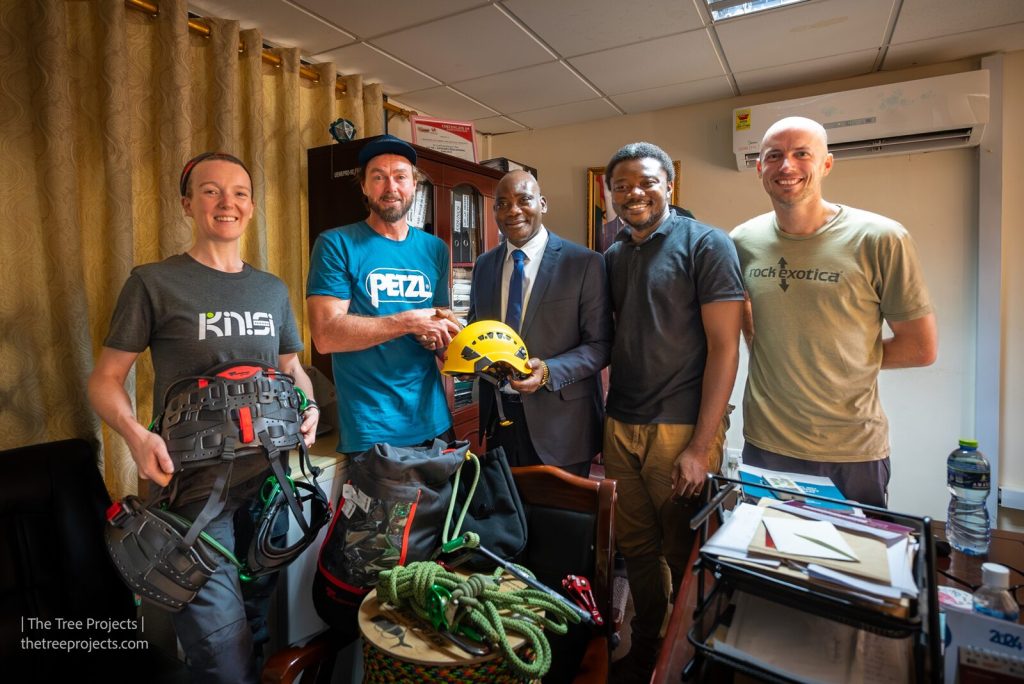
Four complete sets of climbing equipment, valued at around $19,000, were donated to the Department of Biological Sciences at UENR. Our thanks go to:
- Teufelberger – TreeMotion harnesses, CEclimb moving rope systems, xStatic access lines, throwlines and HipStar Flex lanyards
- DMM Wales – triple-action carabiners, pulleys and accessory carabiners
- PETZL Foundation – foot and knee ascenders, equipment bags and helmets
- CSP Distribution – a BigShot line launcher and four rope wrench systems
- Husqvarna Australia – throwbags and throwline cubes
- LRV8 Rescue – equipment bags
Meet the trainers
Three expert climbers volunteered their time and paid their own way to Ghana:
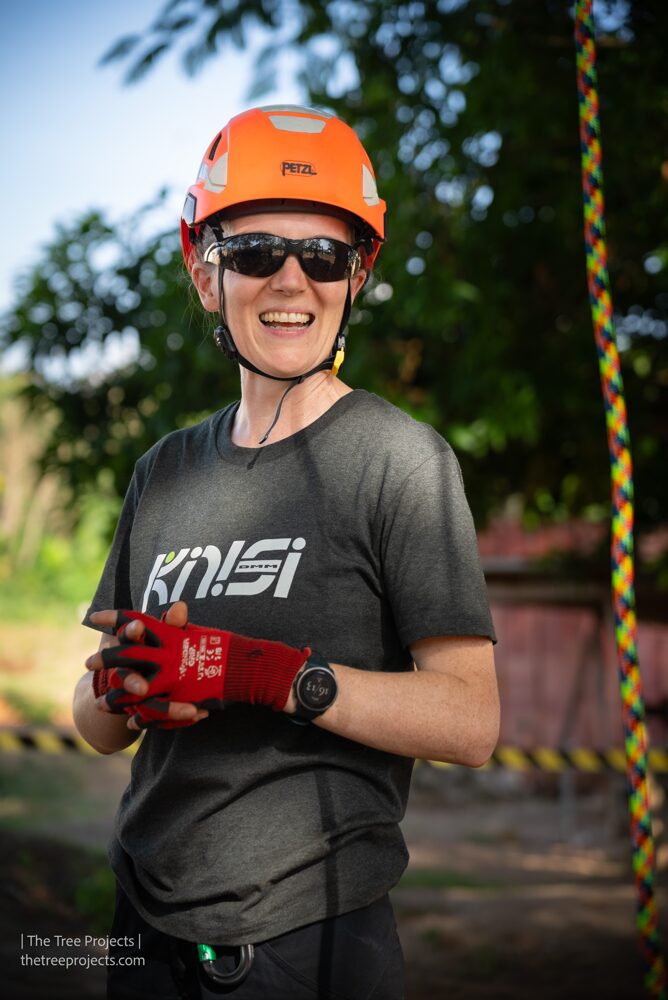
Vicki Tough (Sylvana Alta, Tübingen, Germany) – arborist and climbing instructor with a background in zoology, who has organised and led canopy research expeditions around the world.
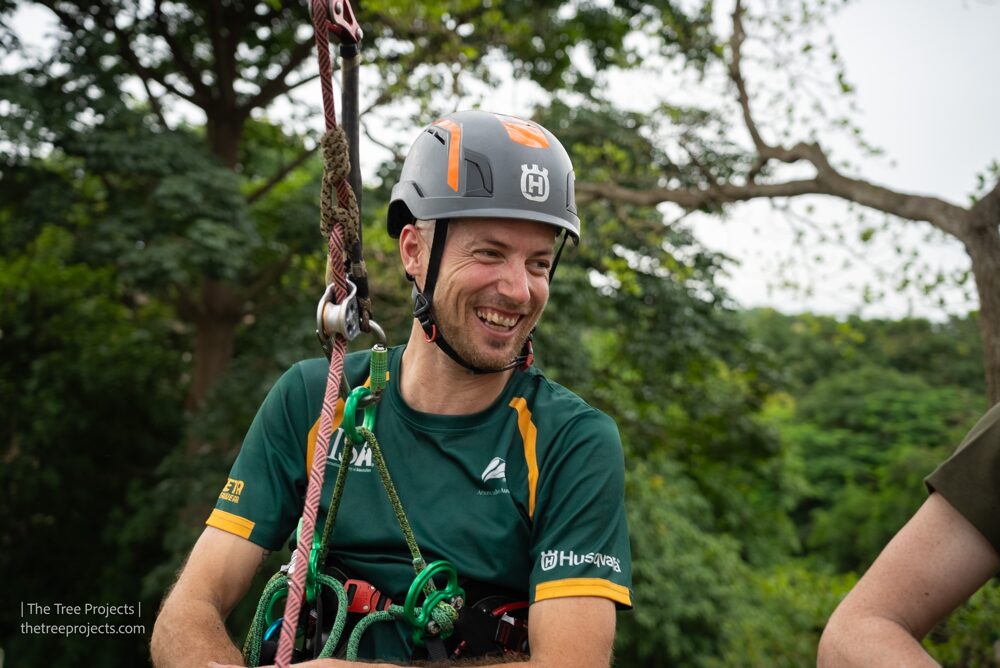
Sam Hardingham (Everydayarbor, Newcastle, Australia) – experienced arborist who has climbed for ecologists at the University of Sydney, WWF, Science for Wildlife and BirdLife Australia, and teaches arboriculture at Ryde TAFE NSW.
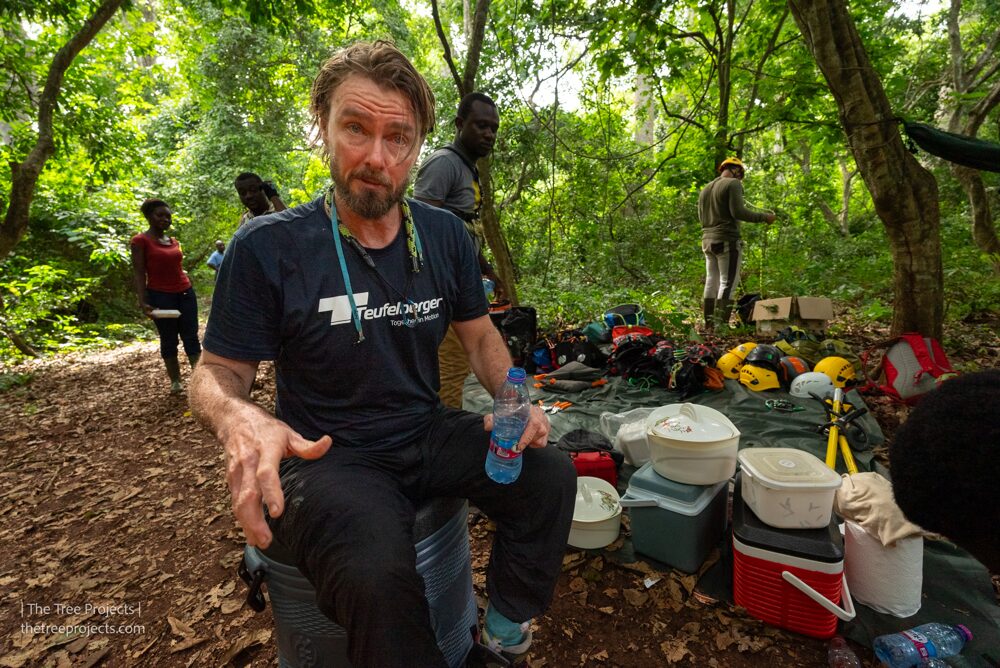
Steven Pearce (The Tree Projects, Tasmania, Australia) – award-winning photographer, filmmaker and naturalist whose work focuses on protecting giant trees and promoting recreational tree climbing.
Ten days, ten climbers
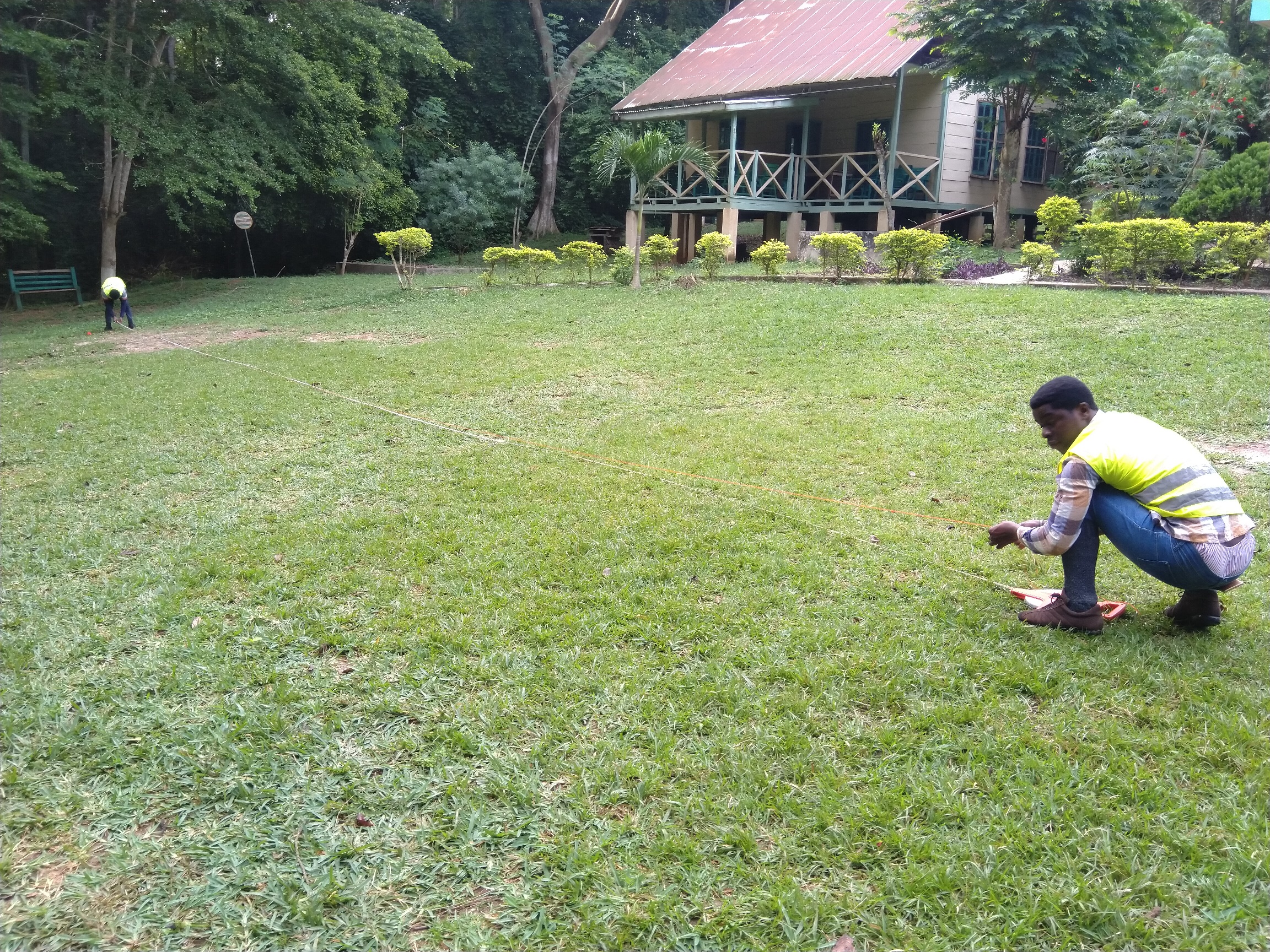
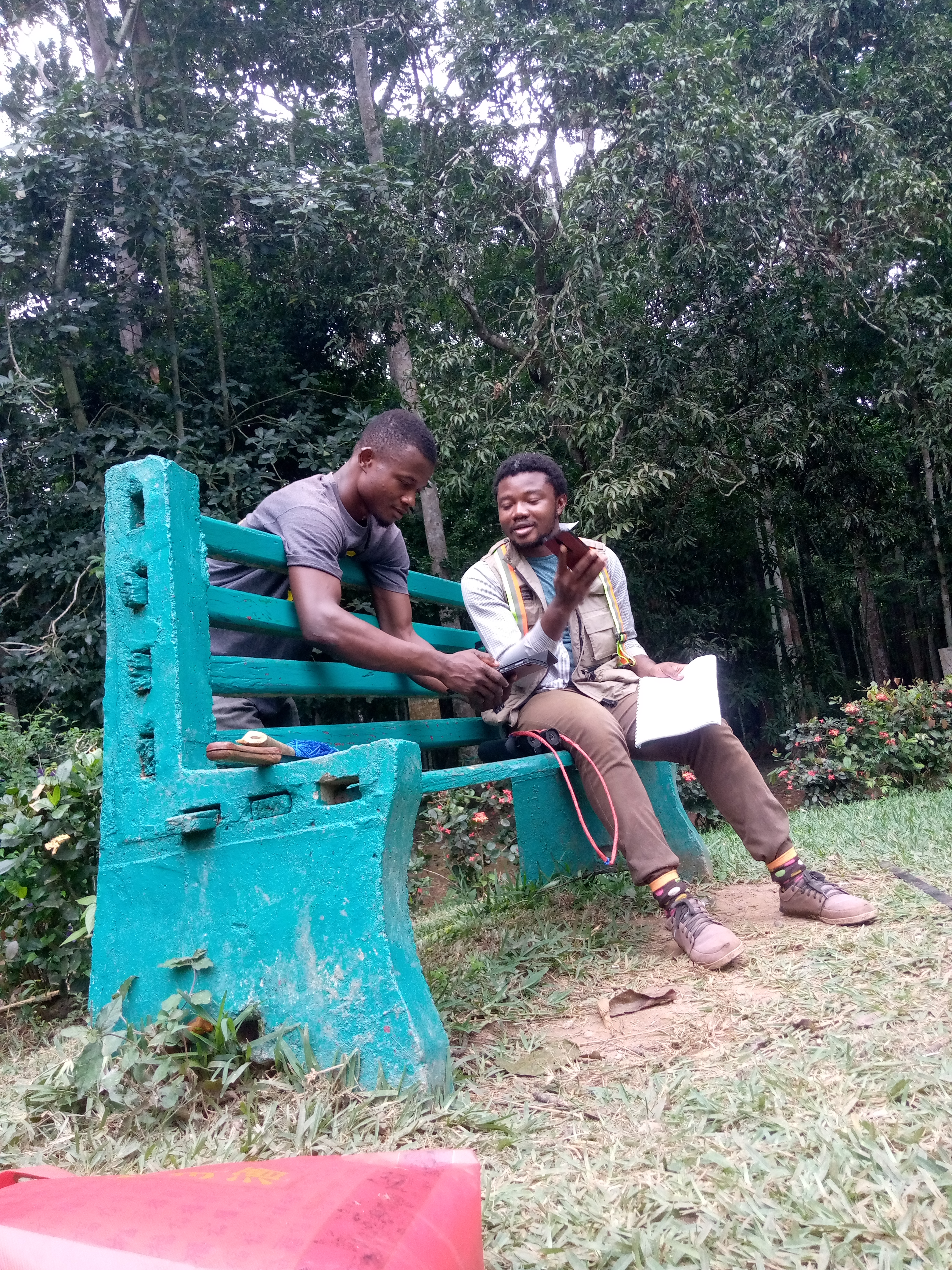
From 13 to 22 May 2024, ten participants – lecturers, technicians, master’s students, teaching assistants and conservationists – trained at the University of Energy and Natural Resources in Sunyani. Before touching a rope, everyone drilled the essential knots and hitches: figure of 8, alpine butterfly, bowline, double overhand stopper, Prusik, Blake’s hitch, Distel, VT and more.
The course then covered:
- Visual tree assessment – deciding whether a tree is safe to climb
- Setting throwlines into the crown
- Moving rope and static rope techniques, and changing over between them
- Rescue rigging and equipment care
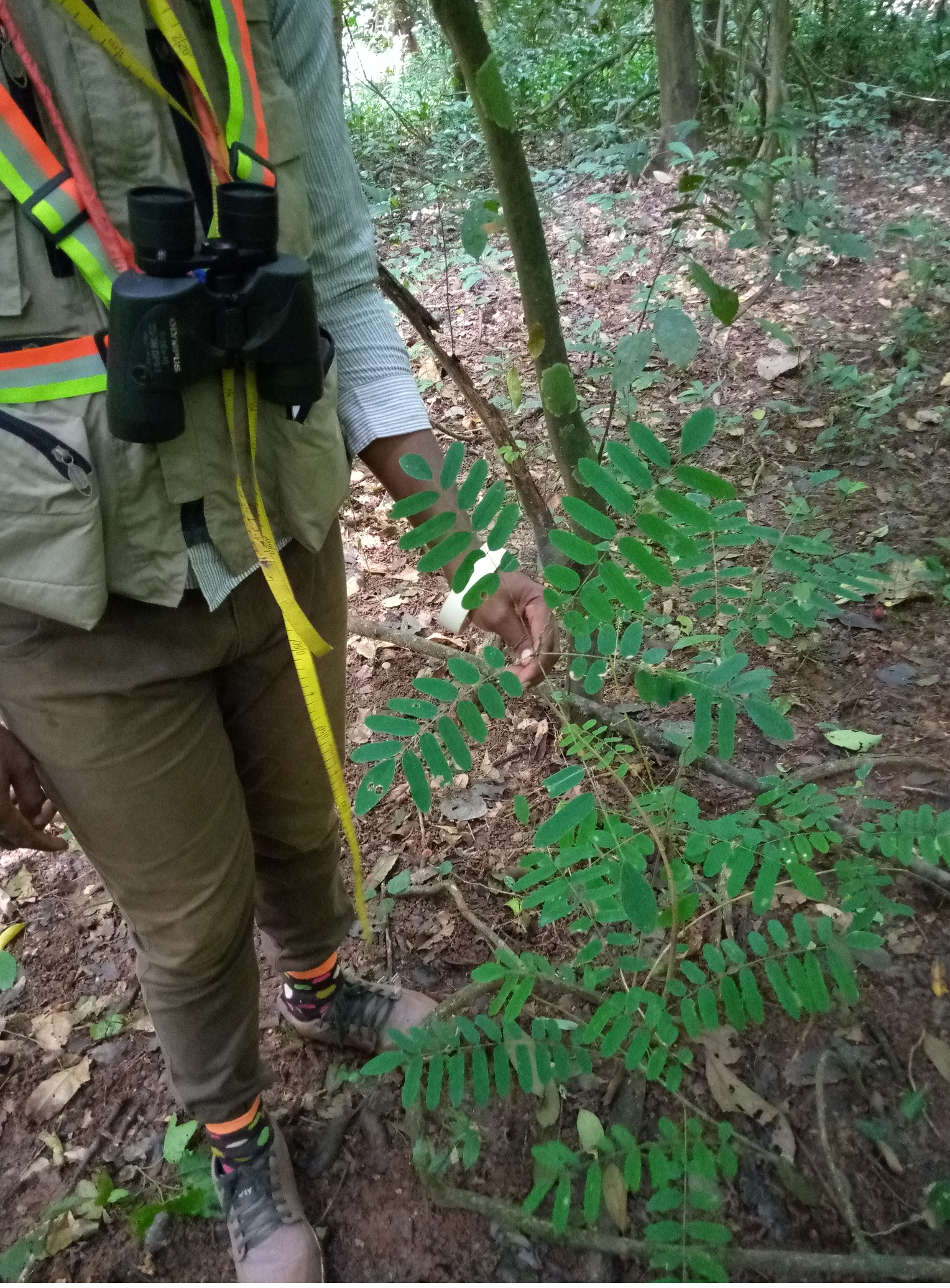
- Working aloft with research tools – sweep nets, trail cameras, blades and secateurs
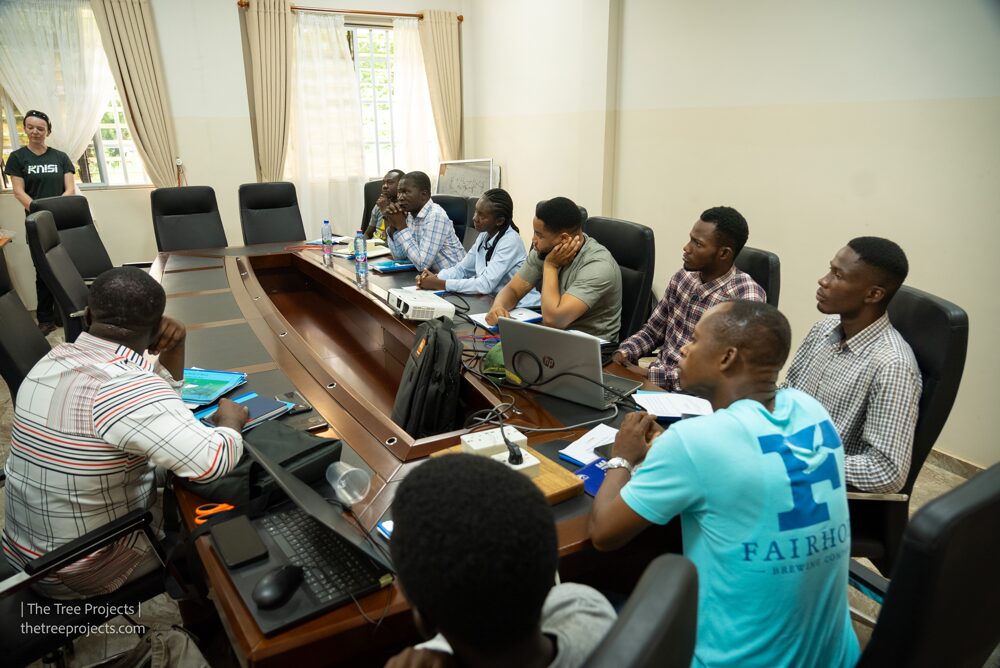
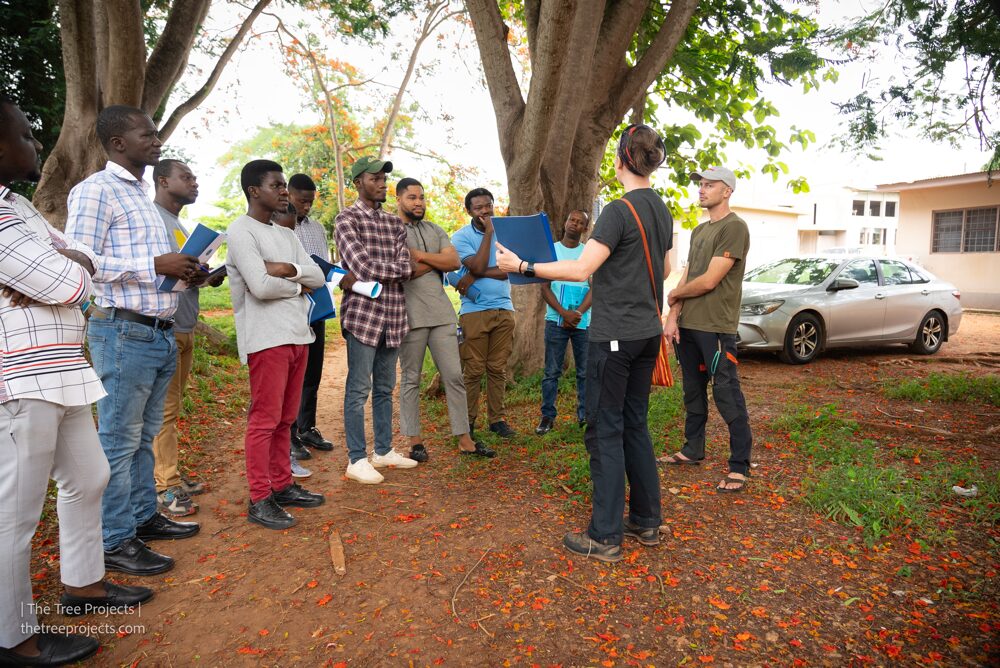
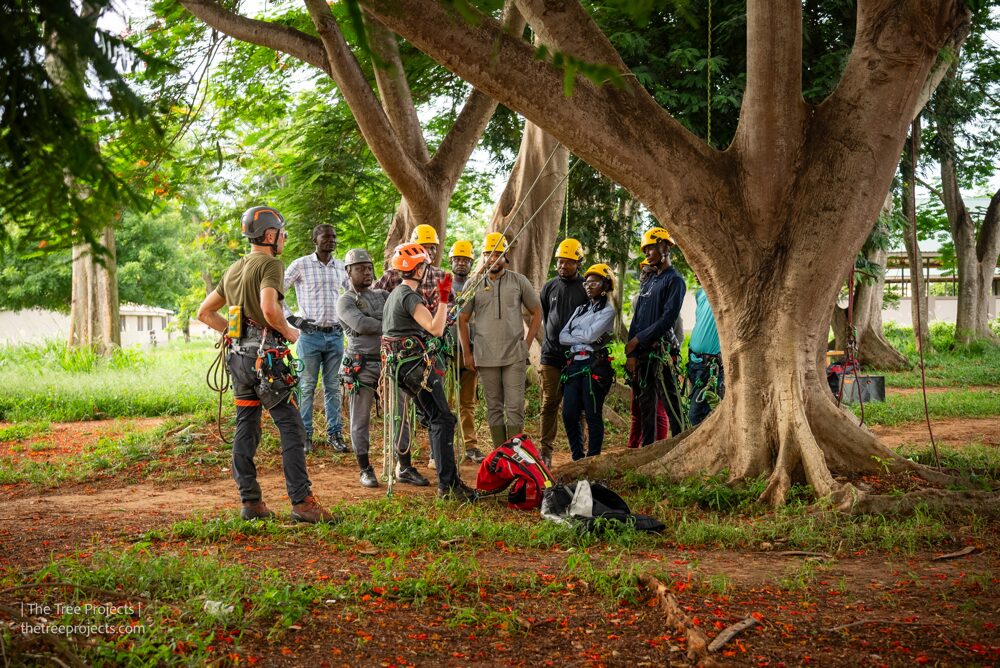
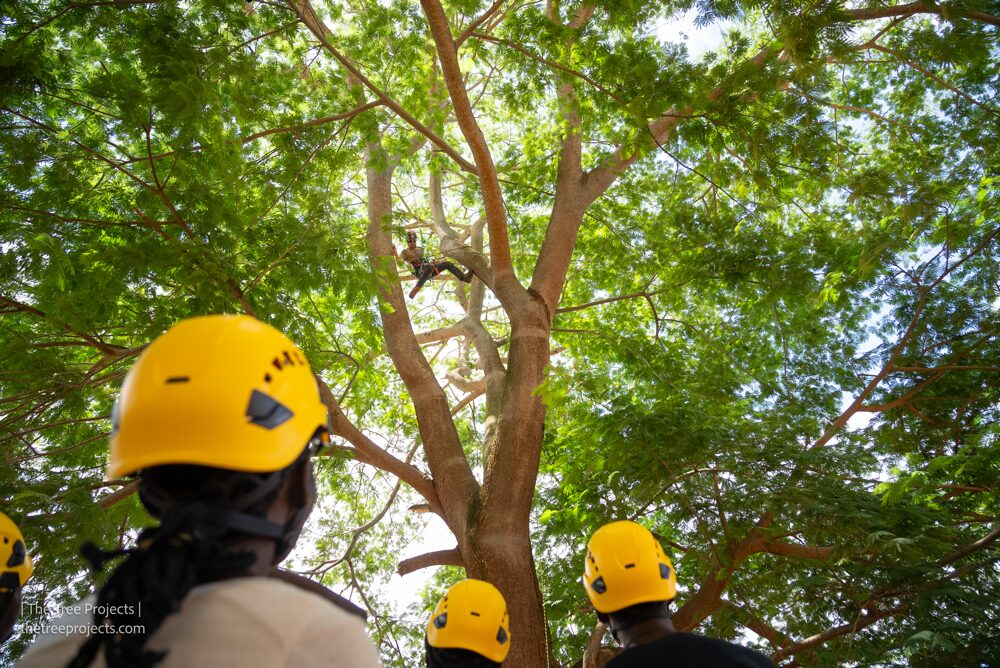
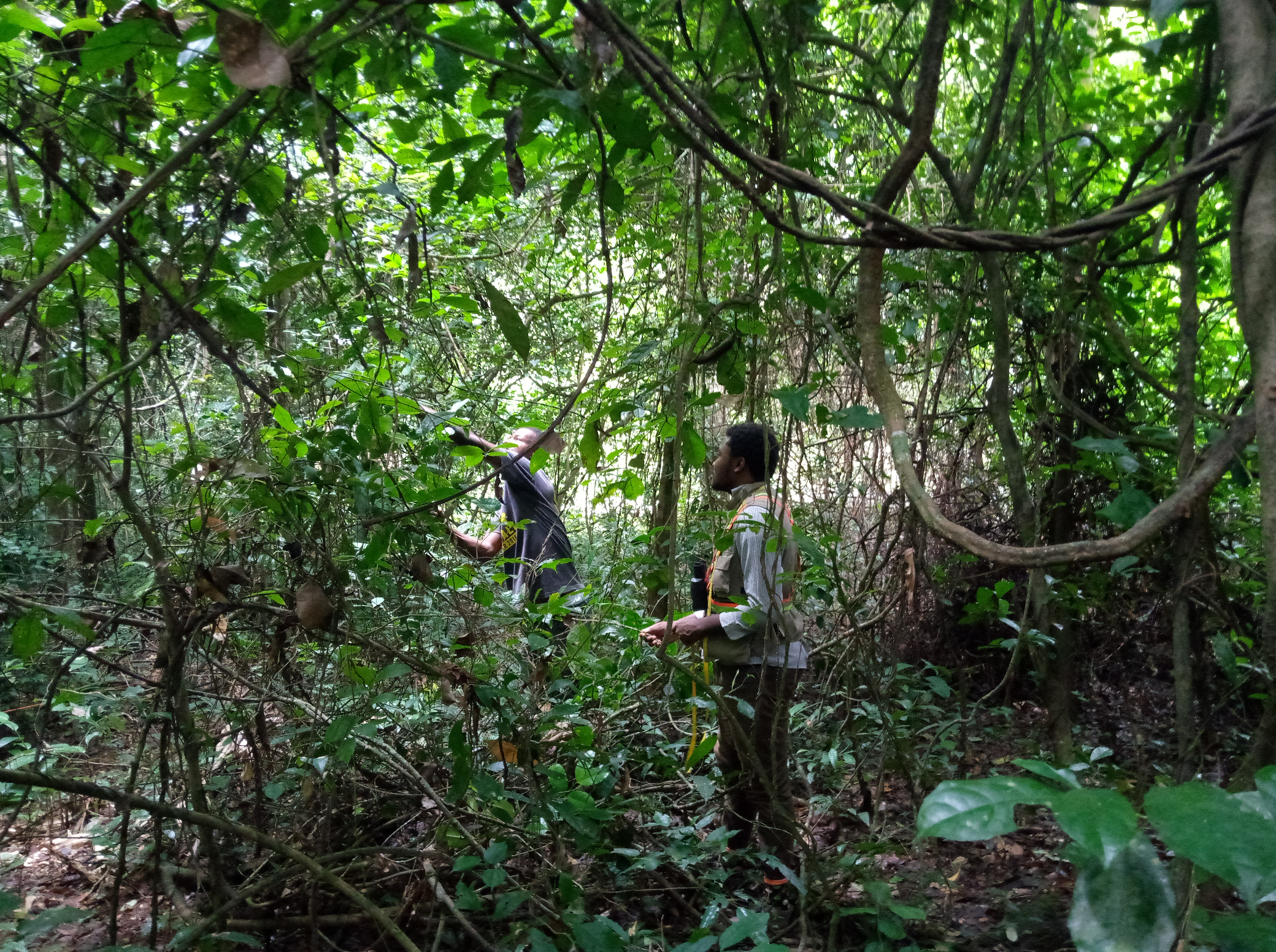
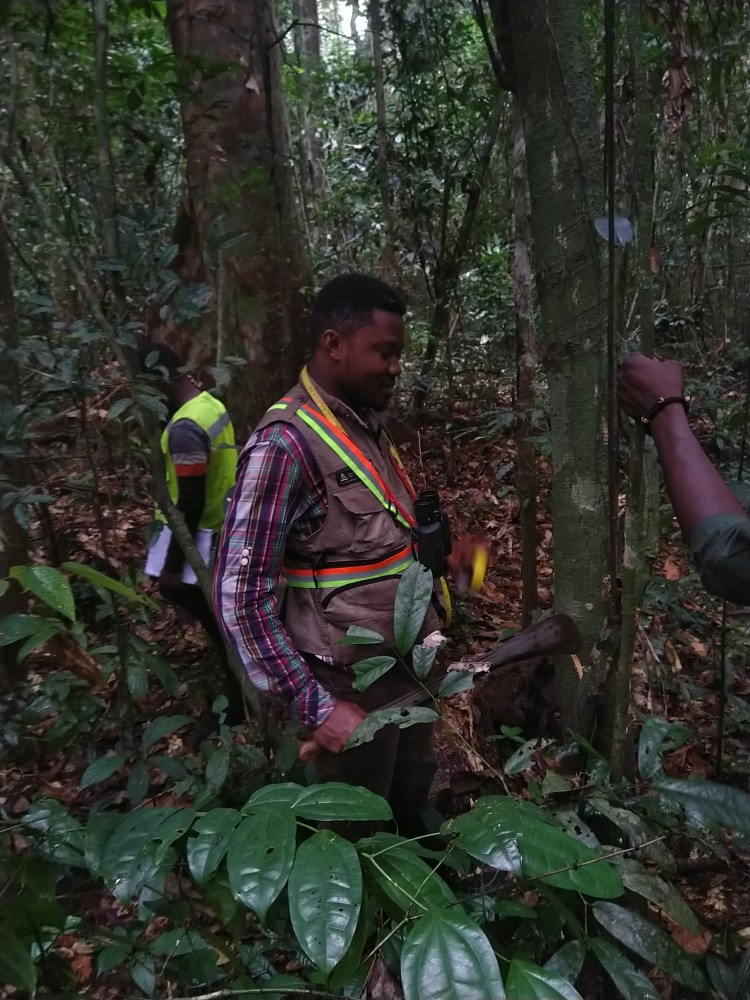
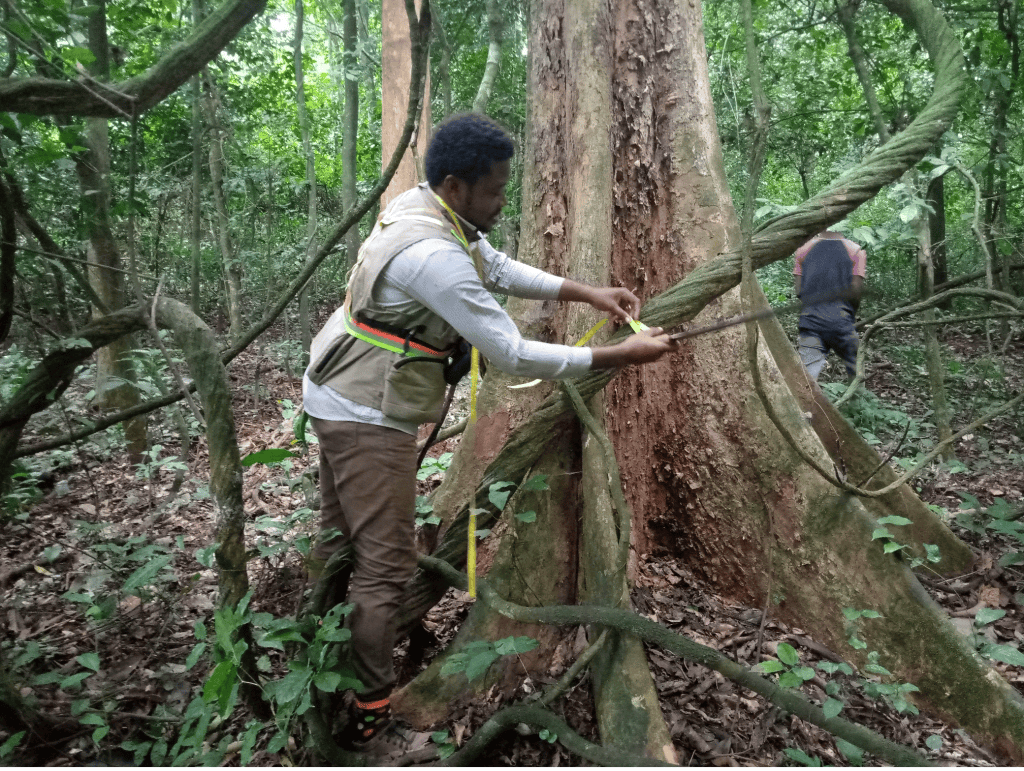
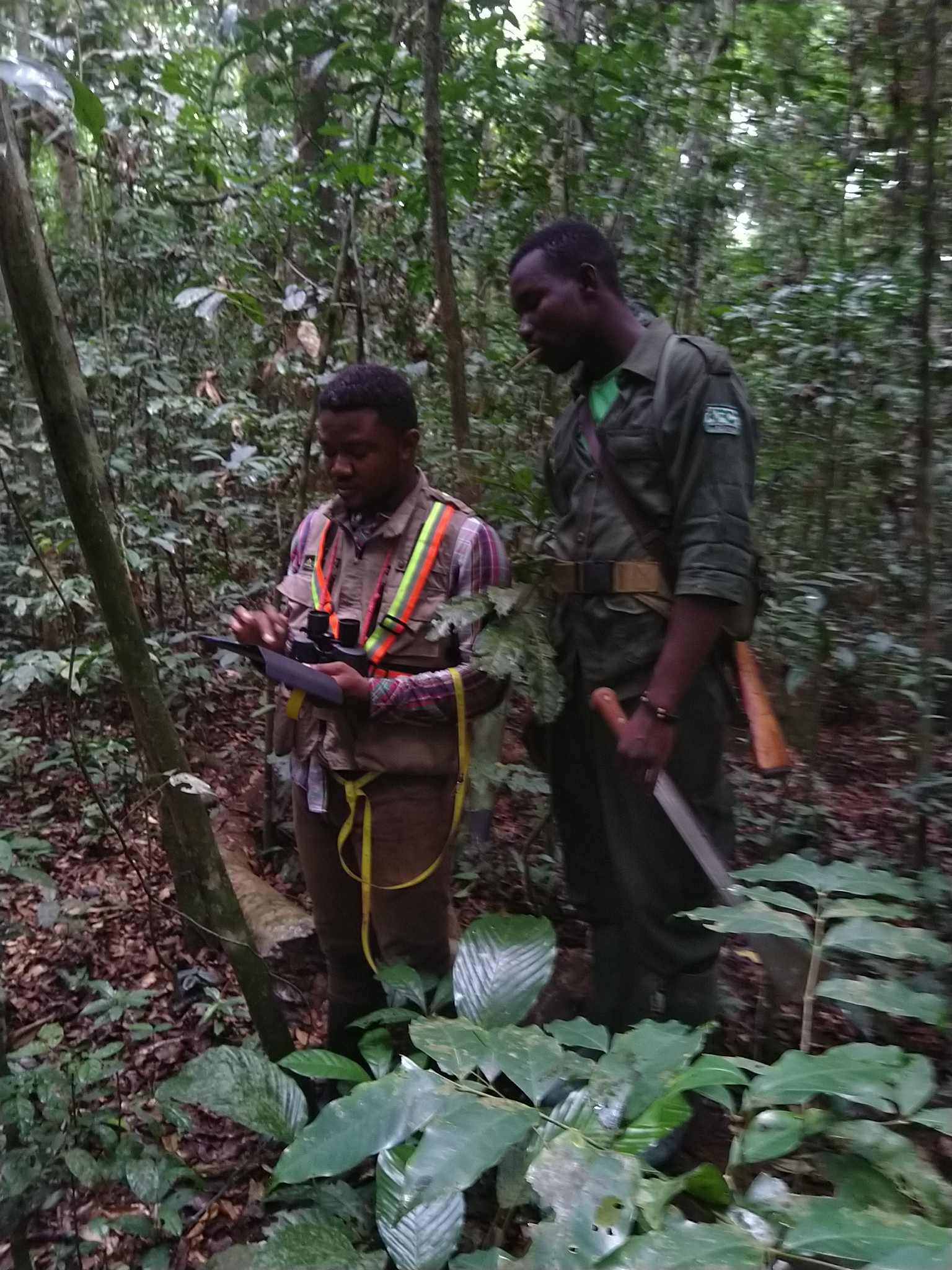
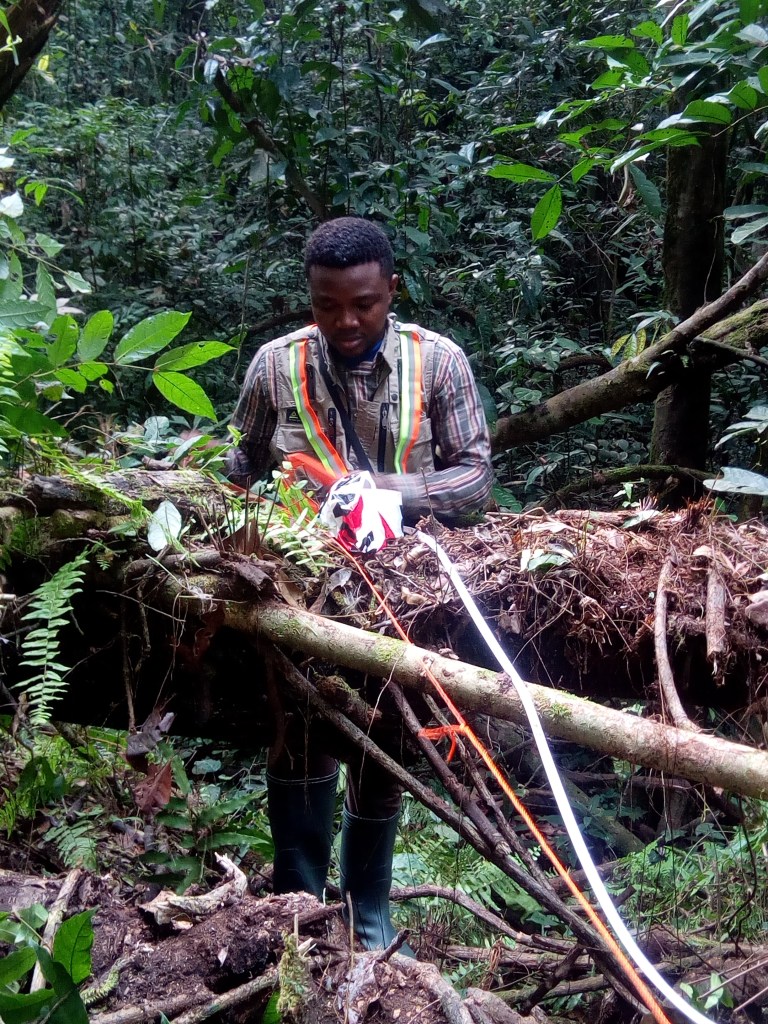
We practised on trees around the UENR campus and in Sunyani’s city parks, then finished with a field trip to Boabeng Fiema Monkey Sanctuary – a taste of what a real canopy study site looks like. By the end of the ten days, every participant was climbing with growing confidence.
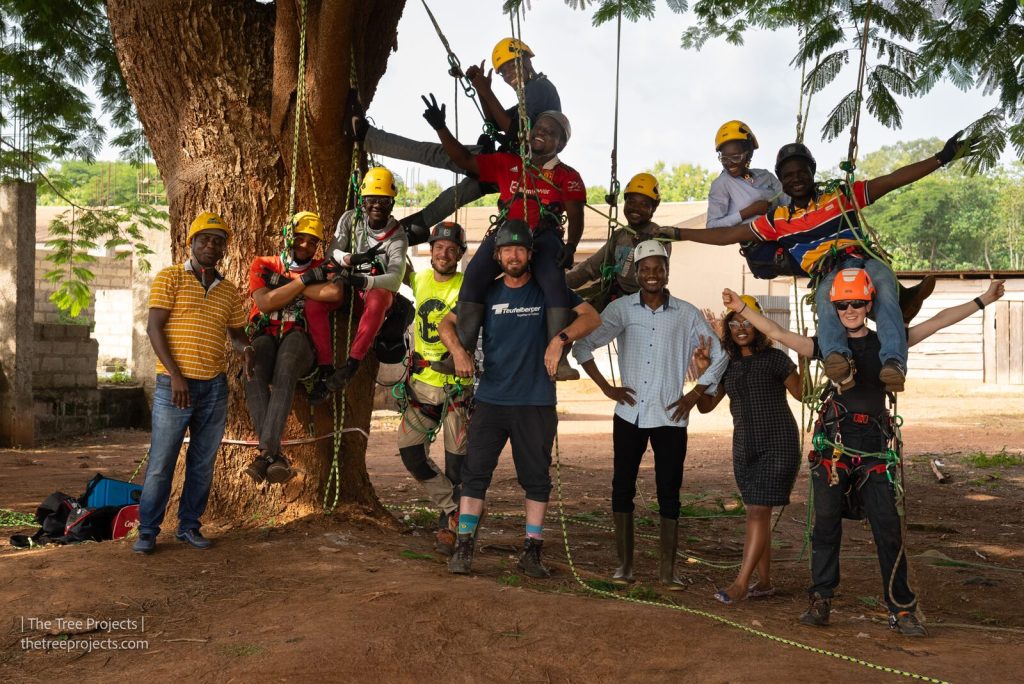
What comes next for canopy research in Africa
We think of this workshop as a skill inoculation. Because the trainees come from teaching, technical and conservation roles, the skills will stay in their institutions and be passed on. Their research interests already span forest microclimate and phenology, primate and small mammal ecology, insect herbivores, plant functional traits, canopy insects and even microbes along the vertical profile of the forest. With ropes and harnesses now in Ghana, we can begin to ask basic questions that remain unanswered for African forests:
- Life in the canopy – who lives up there, from microbes to large mammals, and how those communities change
- Canopy interactions – pollination, seed dispersal and other relationships between species in the crowns
- Canopy–atmosphere links – microclimate within the canopy and how leaf traits respond to it
This first cohort can become trainers themselves – and trainers of trainers – so the skills keep flowing to new postgraduate and undergraduate students. Several applicants from across West Africa and other parts of Ghana could not join this time for lack of funding, so a follow-up workshop is high on our list. Ideally, the next one will run alongside a real data collection expedition, so new climbers can put their skills straight to work in the field.
Thank you
This workshop happened because of the trainers from The Tree Projects, Sylvana Alta and Everydayarbor; the equipment donors Teufelberger, DMM Wales, PETZL Foundation, Husqvarna Australia, CSP Distribution and LRV8 Rescue; the Management of UENR for logistical and financial support with in-country costs; the Regional Office of the Parks and Gardens Department, Sunyani; the Management of Boabeng Fiema Monkey Sanctuary; and everyone who contributed to The Tree Projects’ crowdfund.
Photos: The Tree Projects.
Learn more
- Read about the project on The Tree Projects website
- Read the full preprint report: Ofosu-Bamfo, B., Pearce, S., Tough, V., Hardingham, S., Veriegh, F.B., Agyei, T., Yawson, D., Abakah, A.K.K., Aboah, A., Achiaw, A.O. and Agyakwa, C., 2024. Enhancing Canopy Research in Africa: Insights from Tree Climbing Workshop in Ghana. https://doi.org/10.32942/X2V63K
- Watch the 30-minute documentary below